EMAIL US
Anna04@pandadiesel.com Liza03@pandadiesel.com

Panda Diesel's advanced range of EUI, EUP, and HEUI Test Benches, engineered for precision diagnostics and repair. Our lineup features the versatile CR618 Common Rail & HEUI Injector Test Bench, the robust UNIT 6500 EUI EUP Test Bench for heavy-duty applications, and the comprehensive EUS9000L capable of testing all three injector types. These benches provide accurate performance data, cleaning, and calibration, ensuring optimal restoration of electronic unit injectors and pumps for maximum engine performance and reliability. Trust Panda Diesel for professional-grade testing solutions.
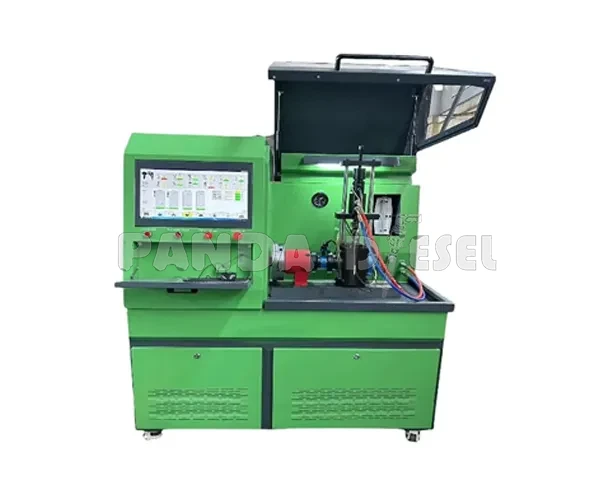
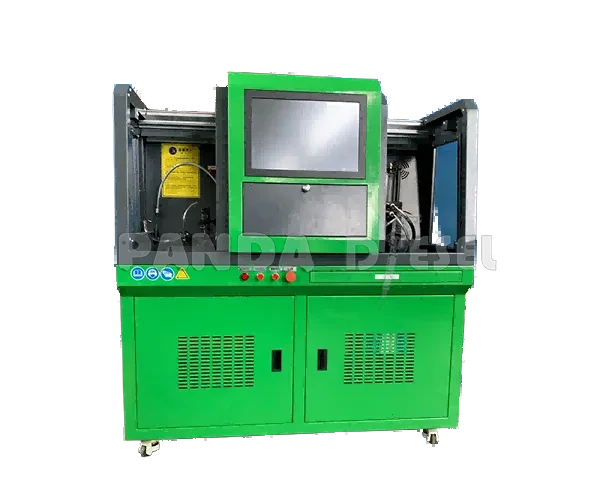
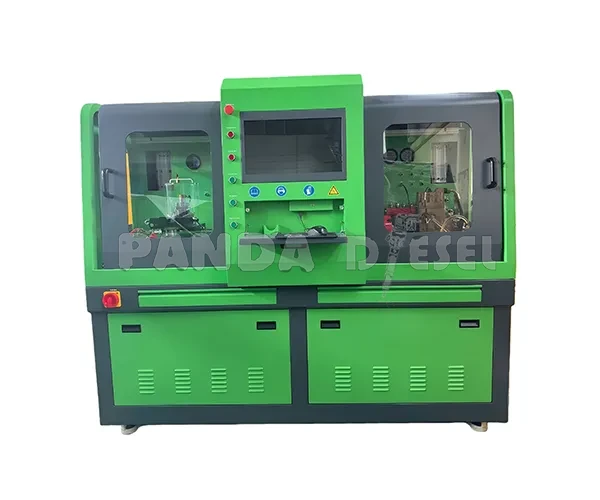
EUI EUP HEUI Test Benches are essential for diagnosing, servicing, and calibrating modern diesel injectors. Their primary function is to replicate the precise high-pressure conditions of an engine, allowing technicians to measure critical performance metrics like flow rate, leak-back, and pop pressure. They perform thorough cleaning and cycling to remove internal deposits. For HEUI systems, they test electronic solenoid response and hydraulic pressure control. Ultimately, these benches verify injector functionality, ensure precise fuel delivery, and confirm that repaired units meet strict OEM specifications for optimal engine performance and emissions control.
Precision Performance Testing
The test bench conducts comprehensive diagnostic tests on injectors and pumps. It accurately measures critical data like flow rate, injection pressure, and back leakage. This identifies wear, internal damage, or performance deviations, providing a clear data-driven assessment of the component's health and whether it meets factory specifications.
Calibration and Adjustment
A core function is the precise calibration of the injector's solenoid current and timing. For mechanical units (EUP), it allows for the adjustment of fuel delivery and pressure settings. This ensures the component delivers the exact amount of fuel at the right moment for optimal engine operation.
Cleaning and Leak-Down Verification
The bench performs high-pressure flushing to remove internal carbon deposits and contaminants. It also conducts leak-down tests to check the integrity of internal seals and check valves. This process restores functionality and confirms the component can hold pressure correctly between injection events.
 English
_1.webp "What Should You Know About Diesel Fuel Pump Maintenance?")