EMAIL US
Anna04@pandadiesel.com Liza03@pandadiesel.com
If you have ever watched a diesel come back to your workshop for the third time with the same rough idle complaint — after two sets of injectors and a fuel filter — you already understand why common rail diagnosis is different from most repair work. The symptom is visible. The cause is often systemic. Contamination, pressure control drift, return circuit restriction, and cascading component damage can all produce identical drivability complaints. Without a structured diagnostic approach and the right common rail injector repair tools, every repeat comeback is a loss: lost labor hours, lost margin, and lost customer trust.
This guide gives diesel workshops a practical, step-by-step framework for diagnosing common rail fuel injection system failures — from the first complaint to post-repair verification — and explains which tooling decisions make the difference between a first-time fix and a warranty comeback.
In this guide you will learn:
How the common rail system works and why it fails the way it does
Where failures most commonly originate across the system
How to match diagnostic and repair tooling to your most frequent failure types
A practical step-by-step workshop diagnostic workflow
Post-repair best practices that prevent repeat failures
A common rail fuel injection system stores fuel at very high pressure — typically 1,600 to 2,500 bar in modern systems — in a shared accumulator rail and uses electronically controlled injectors to deliver precisely timed, precisely metered injection events to each cylinder independently of the others.
What makes it sensitive: the system operates with micron-level internal clearances, extremely high pressure, and electronic control logic that interprets sensor inputs in milliseconds. Small defects — a worn nozzle tip, a sticking pressure control valve, a partially blocked return line — produce large, sometimes dramatic drivability symptoms. And because the same symptom can originate from multiple root causes, diagnosis without data is expensive guesswork.
Understanding the operating principle is what turns symptom observation into diagnosis logic. Every common rail failure maps to one of three system functions: pressure generation, injector control, or fuel cleanliness.
| Stage | Function | Failure Mode |
|---|---|---|
| Tank and pickup | Fuel supply to low-pressure side | Water ingress, microbial contamination, pick-up restriction |
| Lift pump and filter | Clean, pressurised low-pressure feed | Air ingress, filter restriction, pump wear |
| High-pressure pump | Compress fuel to rail pressure | Wear debris, internal leakage, pressure control |
| Rail, pressure sensor, PCV | Accumulate and regulate pressure | Sensor drift, stuck valve, rail leakage |
| Injectors | Deliver precise injection events | Nozzle wear, internal leakage, solenoid/piezo faults |
| Return/leak-off circuit | Carry excess fuel back to tank | Restriction, incorrect fittings, excess backpressure |
Symptoms nearly always map to one of three diagnostic branches:
Pressure build and control: is the system reaching and holding commanded rail pressure?
Injector sealing and flow: is one or more injector leaking excessively internally or externally?
Fuel quality and air ingress: is contamination or air entry preventing stable operation?
The workshop that starts diagnosis by identifying which branch the symptom belongs to reaches the root cause significantly faster than the workshop that starts by changing parts.
| Component | Common Failure Mode | Workshop Indicator |
|---|---|---|
| Fuel tank and pickup | Water, dirt, microbial growth | Contaminated sample from filter drain |
| Lift pump and filter head | Air ingress at fittings, filter restriction | Low cranking rail pressure; air bubbles in return line |
| High-pressure pump | Internal wear; metal debris generation | Metal particles in filter; persistent low rail pressure |
| Rail pressure sensor | Drift or failure | Commanded vs actual rail pressure deviation in scan data |
| Pressure control valve | Sticking, contamination | Erratic rail pressure; pressure not responding to command |
| Injectors | Nozzle wear, internal leakage, control valve wear | High return flow; single-cylinder misfire; smoke |
| Return circuit | Restriction from incorrect fittings or blockage | High injector backpressure; system pressure instability |
What matters in real workshops: pump wear and injector failure often co-occur. Metal debris generated by pump wear travels downstream to injectors. Replacing injectors without addressing the pump — or without flushing the system — produces the repeat failure that damages workshop reputation.
Diagram: Common rail system layout showing fuel path from lift pump through HP pump, rail, injectors, and return circuit — with diagnostic flowchart overlay: no start → low pressure check → rail pressure build → injector leak-off comparison → root cause decision.
The right common rail injector repair tools depend on which failure types your workshop sees most frequently. Investing in tooling that doesn't match your vehicle and injector mix is waste; under-investing in the tooling for your most common fault types increases rework.
| Tool Category | Primary Use | When It Pays Back |
|---|---|---|
| Rail pressure verification tools | Confirm actual vs commanded pressure at cranking and load | Every pressure-related complaint; rules out sensor drift vs actual low pressure |
| Injector return/leak-off test equipment | Compare return flow across all injectors simultaneously | Identifies the outlier injector responsible for pressure bleed-down or high consumption |
| Injector disassembly and assembly tooling | Controlled disassembly without damage; correct reassembly | Every injector repair; prevents assembly damage that creates new faults |
| Nozzle and valve measurement fixtures | Verify wear before rebuild decision; confirm rebuild quality | Reduces unnecessary rebuilds and confirms that rebuilt injectors meet specification |
| Contamination detection tools | Identify metal debris and water in the fuel system | High-pump-wear suspicion; post-pump-failure system assessment |
Selection principle: match your tool investment to your most frequent failure types. A workshop primarily servicing agricultural equipment with contamination-related failures needs different tooling priority than one focused on high-mileage light-duty diesels with injector wear.
| Sector | Primary Risk Factors | Most Common Failure Pattern |
|---|---|---|
| Light-duty pickups and vans | High mileage, variable fuel quality, short trip cycles | Injector wear and leakage; filter maintenance skipped |
| Construction and mining equipment | Dust ingress, long idle cycles, heavy continuous loads | Contamination-driven pump and injector wear |
| Agricultural tractors | Seasonal storage, on-farm fuel handling, biofuel exposure | Water contamination, microbial growth, filter bypass |
| Commercial fleets | High utilisation, tight uptime requirements, mixed fuel sources | Pressure control drift; accelerated wear from fuel quality variation |
| Benefit | What It Means in Practice |
|---|---|
| Higher first-time fix rate | Correct root cause identified before parts are ordered |
| Fewer comebacks | System contamination addressed alongside component repair |
| Reduced warranty exposure | Verified post-repair performance documented before vehicle release |
| Better workshop productivity | Less rework, more billable diagnostic time, better throughput |
| Challenge | Why It Matters |
|---|---|
| Symptom overlap | Smoke, rough idle, and hard start all appear in pressure, injector, and fuel quality faults |
| Cascading failures | Pump debris travels downstream; replacing one component without flushing recreates the fault |
| Masked system contamination | One bad injector draws attention away from the contamination that damaged it |
| Rebuild quality variation | Without standardised tooling and QC steps, rebuilt injectors produce inconsistent results |
Pull fault codes and, more importantly, live data: commanded rail pressure versus actual rail pressure. The gap between these two values is your first diagnostic branch marker. Document the complaint in specific terms — not "rough idle" but "rough idle at cold start below 5°C, clears after 3 minutes."
Drain the filter/water separator and inspect the sample. Metal particles, water, cloudiness, or abnormal colour immediately redirect the diagnostic path toward contamination before any pressure testing begins. This step takes five minutes and eliminates the most expensive diagnostic errors.
Check for air ingress on the suction side — clear hose or sight glass observation during cranking. Verify lift pump delivery pressure and volume. A restricted or aerated low-pressure supply will prevent rail pressure build regardless of pump and injector condition.
Monitor rail pressure during cranking (does it build to a level that permits starting?) and at idle/load (does it hold the commanded target?). Pressure that builds slowly or drops erratically under load points to pump output, pressure control valve function, or injector leakage.
This is the most direct method for identifying injector-related pressure loss. Collect return flow from each injector simultaneously under a defined condition (cranking, idle, or load). An outlier — significantly higher return flow than the others — identifies the injector responsible for pressure bleed-down. This test is where purpose-built common rail injector repair tools pay for themselves.
If contamination is found or pump failure is suspected, inspect for metal debris in the fuel filter and in the rail. Metal debris in the system is a decision point: the entire fuel circuit requires flushing and the pump requires assessment before any injector repair is finalised.
| Finding | Repair Path |
|---|---|
| One injector high return flow; clean system | Repair or replace the identified injector |
| Multiple injectors elevated; clean pump | Assess all injectors; consider system-wide service |
| Metal debris present | Pump assessment + system flush + injector inspection |
| Pressure control erratic; injectors normal | Pressure control valve or rail pressure sensor |
| Air ingress confirmed | Suction circuit repair before any other work |
After repair, verify rail pressure build, pressure stability at idle and load, smoke and idle quality, and perform a road test under load. Document the post-repair scan data readings. This documentation protects the workshop if the vehicle returns and demonstrates professional process to the customer.
| Practice | Why It Matters |
|---|---|
| Enforce correct filter specification and change interval | Off-specification filters allow particles that damage pump and injectors |
| Drain water separators at every service | Water is the fastest route to pump and injector damage |
| Full system flush after pump debris events | Metal particles left in the rail and injectors recreate the fault within weeks |
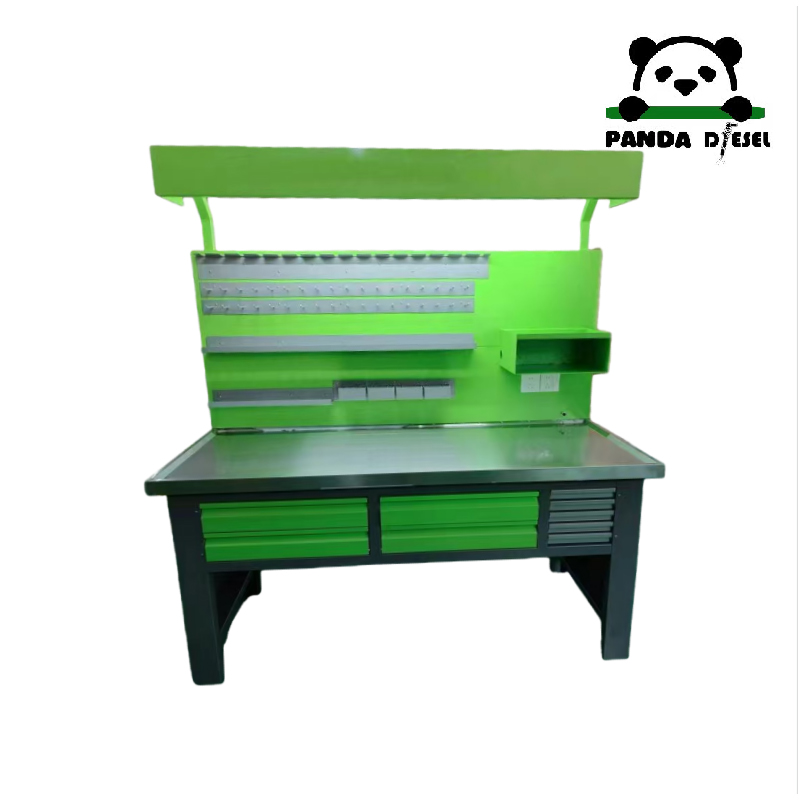
| Clean-room habits on the injector workbench | Dust and lint introduced during assembly cause early failure |
| Record test results per injector and vehicle | Pattern identification allows early intervention before repeat failures |
Q1: What is the most common root cause of common rail fuel injection system failures?
Contamination — water, dirt, or metal debris — is the leading root cause across most vehicle types and applications. It typically originates at the tank or fuel handling stage and propagates through the system, damaging the high-pressure pump first and then the injectors. The repair that addresses only the damaged injectors without identifying and removing the contamination source will fail again.
Q2: How do I identify which injector has excessive internal leakage?
A simultaneous return flow comparison across all injectors under a defined operating condition — cranking, idle, or a specified load point — is the standard method. An injector with significantly higher return flow than the others is bleeding pressure from the rail and is the primary suspect. This test requires appropriate common rail injector repair tools to collect individual injector return flows simultaneously and accurately.
Q3: Can a single leaking injector prevent the engine from starting?
Yes. A severely internally leaking injector continuously bleeds pressure from the rail. Depending on the leak rate and pump output capacity, rail pressure may never reach the threshold required for injector opening and combustion initiation. The no-start symptom is system pressure failure, not ignition failure — and the cause is a single component that a return flow test identifies quickly.
Q4: When should high-pressure pump failure be suspected?
Suspect the pump when: rail pressure fails to build despite confirmed adequate low-pressure supply; metal debris is present in the fuel filter; injectors are found damaged shortly after a previous repair; or rail pressure drops progressively under load despite a stable idle pressure. Pump wear generates the metal debris that causes cascading damage — addressing the symptom (damaged injectors) without assessing the pump source recreates the failure.
Q5: Why do common rail injector repair tools improve rebuild quality?
Injector internal clearances are measured in microns. Assembly without proper tooling introduces stress, misalignment, or contamination that causes early failure or inconsistent performance. Standardised common rail injector repair tools provide repeatable disassembly and assembly sequences, protect precision components during handling, and allow measurement verification at key build steps — reducing the variation that produces comebacks.
Professional common rail fuel injection system service is built on process discipline: structured diagnosis, clean handling, repeatable measurement, and documented verification. Workshops that standardise these steps consistently reduce repeat failures, protect margins, and build the customer trust that drives return business.
Visit our common rail injector repair tools page and share the injector types you service and your most frequent failure symptoms to receive a recommended tool list and workshop setup plan.
This guide was reviewed by the Pandadiesel technical team, with experience supporting diesel workshops across light-duty, commercial, agricultural, and construction equipment applications. Our team assists workshops with diagnostic workflow development, common rail injector repair tools selection, and repair process standardisation for common rail fuel injection system service. Contact us for application-specific tool recommendations.
 English
 français
 Español
 русский
 português
 العربية